4.54.7
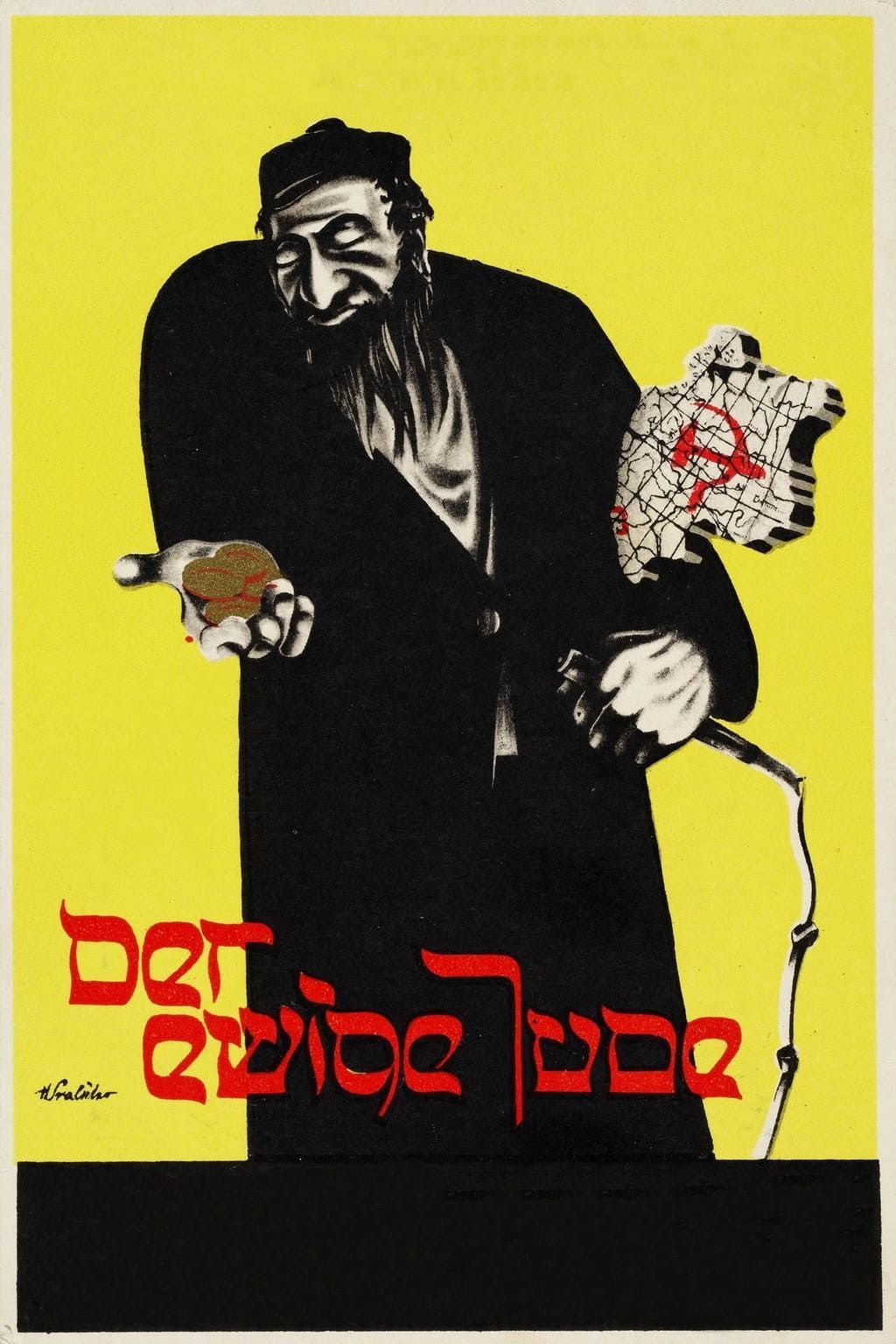
Under the guise of a brutally honest documentary, this malevolent propaganda film aims to be an "indispensable tool in the hands of the Aryan race," designed to depict the "true" Jew when the masks of Western civilization fall off.
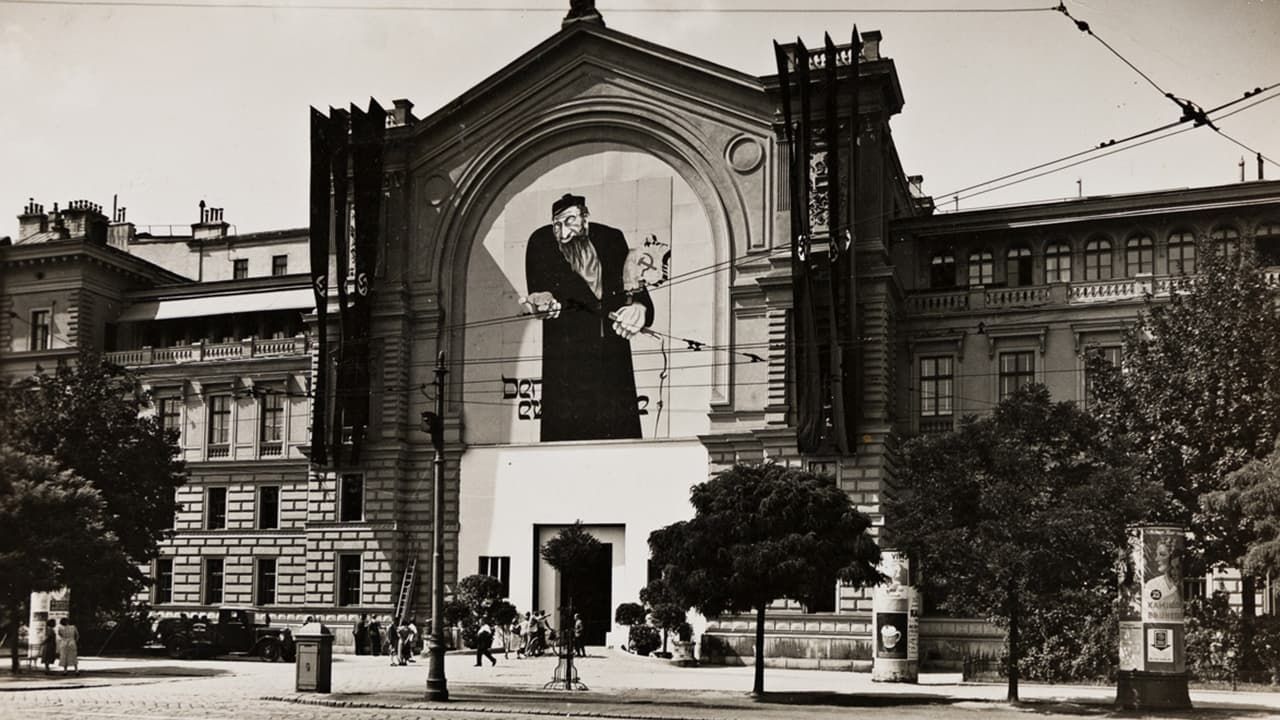

Few films are more difficult to separate from the circumstances of their creation than Der ewige Jude, or "The Eternal Jew," as it's known in English. Whatever technical qualities it possesses are inseparable from the purpose they were designed to serve. Presented as a documentary, the film relies on selective editing, strong narration, and carefully framed imagery to guide the audience toward predetermined conclusions rather than encourage genuine observation. That makes it less interesting as a work of cinema than as a case study in how easily film can shape perception when its presentation is accepted without question. Watching it almost a century later, I'm not interested in addressing the claims the film makes. I'm far more interested in the methods it uses to make those claims feel convincing.
I don't think the film is best understood as entertainment, obviously, and I certainly would be cautious about labeling it a conventional documentary. The film contains deeply disturbing depictions of the group it targets, but it never presents them as part of an honest attempt to inform or investigate. Instead, every creative decision is directed toward reinforcing a predetermined conclusion. It remains an important historical document because it demonstrates how effectively moving images and carefully constructed presentations can shape public perception when they're presented with the appearance of authority. Der ewige Jude is one of the clearest reminders that cinema itself is never morally neutral.
Reviews
The Eternal Jew
Garrett Wilkins reviewed
The Eternal Jew
July 31, 2026Few films are more difficult to separate from the circumstances of their creation than Der ewige Jude, or "The Eternal Jew," as it's known in English. Whatever technical qualities it possesses are inseparable from the purpose they were designed to serve. Presented as a documentary, the film relies on selective editing, strong narration, and carefully framed imagery to guide the audience toward predetermined conclusions rather than encourage genuine observation. That makes it less interesting as a work of cinema than as a case study in how easily film can shape perception when its presentation is accepted without question. Watching it almost a century later, I'm not interested in addressing the claims the film makes. I'm far more interested in the methods it uses to make those claims feel convincing.
I don't think the film is best understood as entertainment, obviously, and I certainly would be cautious about labeling it a conventional documentary. The film contains deeply disturbing depictions of the group it targets, but it never presents them as part of an honest attempt to inform or investigate. Instead, every creative decision is directed toward reinforcing a predetermined conclusion. It remains an important historical document because it demonstrates how effectively moving images and carefully constructed presentations can shape public perception when they're presented with the appearance of authority. Der ewige Jude is one of the clearest reminders that cinema itself is never morally neutral.